13-15 Wharf St, Logan Village QLD 4207

Why Your Pet's Weight Matters More Than You Think

A little extra weight can be easy to miss on your dog or cat. It often appears so gradually that you may not notice any difference day to day. But your pet’s weight is about much more than appearance.

Excess body fat can affect mobility, make physical activity harder and place additional strain on the respiratory system. It is also associated with health problems, including joint disease and diabetes.

That’s why my team and I always consider your pet’s weight as part of their overall health, not just how they look.

The number on the scales is helpful, but it’s only one piece of the puzzle. I also pay close attention to your pet’s build, body condition, muscle tone, and unique health needs.

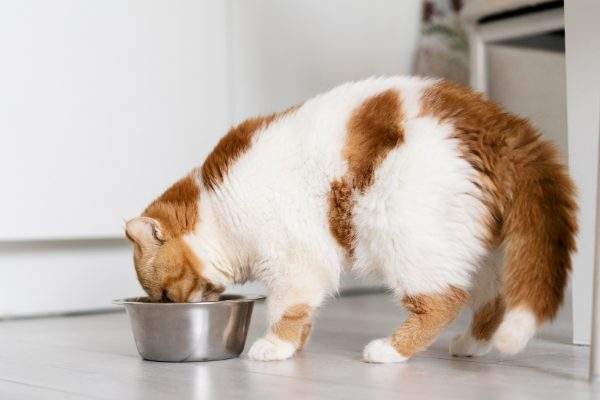
Cat eating from pet food bowl in a kitchen in Logan

How Do I Know If My Pet Is A Healthy Weight?

There is no single ideal weight that works for every dog or cat.

Even two dogs of the same breed can have different healthy weights because their frames, sexes, ages, and body compositions may differ.

I find it’s often more helpful to start by looking at your pet’s body condition.

When a dog or cat is around their ideal body condition, you should usually be able to feel their ribs without pressing through a thick layer of fat. A waist should also be visible when you look from above. From the side, the abdomen should tuck upwards rather than hanging level with the chest.

These guidelines can be helpful, but they don’t replace a proper assessment by someone who knows what to look for.

Thick coats can easily hide weight gain, and some pets with naturally stocky builds are especially tricky to judge by appearance alone.

What Is A Body Condition Score?

A body condition score, often abbreviated as BCS, is a structured method for assessing the amount of body fat a pet carries.

Rather than relying solely on kilograms, the assessment considers measurements of the ribs, waist, and abdomen. WSAVA provides standardised body-condition scoring tools for both dogs and cats. This matters because a number on the scales needs context.

A Labrador and a Kelpie could weigh exactly the same and have completely different body conditions. The same applies between individual cats.

Body-condition scoring gives my team and me a clearer way to understand whether your pet is underweight, in a healthy condition, or carrying a bit too much body fat. It also gives us a consistent way to track your pet’s progress over time.

Overweight chocolate Labrador in park playing fetch with pet owner

Why Does A Few Extra Kilograms Matter?

The effect depends on the size of the animal. Two extra kilograms on a large dog is very different from two extra kilograms on a small dog or cat.

As body fat increases, movement can become harder. Some overweight pets become less willing to play, jump, climb stairs or exercise for as long as they once did.
That can create an unhelpful cycle. Carrying extra weight makes activity harder, while reduced activity lowers energy expenditure.

Breathing can also become more difficult, particularly during physical activity. Excess weight is associated with respiratory problems and can contribute to heavier panting or reduced exercise tolerance. The implications go beyond movement and breathing.

Veterinary weight-management guidelines link excess weight with conditions including osteoarthritis and diabetes. Maintaining an appropriate body condition forms part of protecting your pet’s broader health and quality of life.

Why Do Dogs And Cats Become Overweight?

In simple terms, weight tends to increase when calorie intake regularly exceeds the energy a pet uses. That does not always mean someone is obviously overfeeding.

Extra calories can sneak in from a few places. Sometimes portions are a bit bigger than your pet needs, treats add up, or more than one family member is feeding them.

Activity levels can change as well. A dog who used to enjoy long walks may slow down as they get older. Indoor cats often need a little encouragement to stay active, since they have fewer chances to move around on their own.

The current clinic’s obesity guidance identifies excessive calorie intake and reduced exercise as common contributors to weight gain. It also notes that age, neutering, breed and activity level can influence risk.

AAHA guidelines similarly recognise feeding patterns, reduced activity, breed predisposition, age and changes after desexing among potential obesity risk factors.
That’s why I don’t just look at the food bowl when thinking about weight gain. There’s often more to the story.

Overweight beagle in backyard looking at their dinner bowl

Why Has My Pet Gained Weight When Their Food Hasn’t Changed?

I’ve seen this many times before. The amount you’ve always fed your pet may not be right as they get older or their lifestyle changes.

Energy requirements can change with age, activity, desexing and other individual factors. Some pets also become less active without their owners making a deliberate change to their routine.
The food might stay the same, but your pet’s needs can change.

Regular weight checks help my team and me catch these gradual changes before they become bigger issues.

Should I Just Feed My Overweight Pet Less?

If your pet is overweight, I don’t recommend starting with drastic food restriction. A proper weight-management plan considers more than the size of the evening meal.

Veterinary guidelines recommend assessing body weight, body condition, diet, activity and individual health before setting a weight-loss plan. Calorie recommendations should then be adjusted for each individual pet and monitored over time.

A proper weight-management plan considers more than the size of the evening meal. Sometimes, difficulty losing weight can be linked to an underlying health issue. A veterinary assessment helps me determine whether it’s simple weight gain or if something else needs to be checked.

My goal is always steady, healthy weight management, not just a quick drop on the scales.

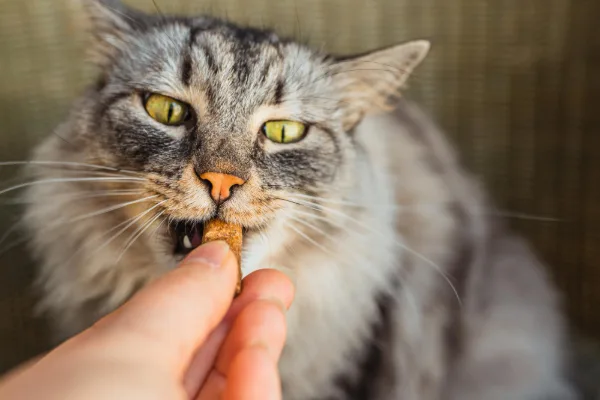
Overweight cat eating a cat treat from pet owner

Do Treats Really Make That Much Difference?

Yes, treats can make a difference. A biscuit here, a little bit from your dinner plate, or an extra treat from another family member can all add up without you realising.

It’s rarely just one treat that causes a problem. It’s the total amount your pet eats over the whole day that matters most.

AAHA recommends considering everything a pet receives, not just their main meals. Additional foods and treats should make up only a small part of the total daily calorie intake. This comes up often when someone says, “But I’m feeding exactly what the packet says.”

The measured meal might be only part of what your pet actually eats each day.

Does Exercise Help An Overweight Pet Lose Weight?

Activity is important, but what your pet eats still plays a big role in managing their weight. Exercise helps your pet burn more energy and maintain healthy muscles, but it needs to be appropriate to their current fitness and health.

If your dog is already struggling with movement, suddenly adding long or strenuous walks isn’t the best approach.

Cats need a different approach. Playtime, climbing opportunities, and interactive feeding can all help encourage them to move more.

There isn’t one exercise plan that works for every pet. I tailor advice to suit each animal’s needs.

Why Regular Weigh-Ins Are Worth Doing

It’s much easier to spot weight gain when you have something to compare it to.

When you see your pet every day, it’s easy to miss slow changes in their shape or weight.

Regular weigh-ins give us an objective measure, while body-condition assessments add important context that the scales alone can’t show.

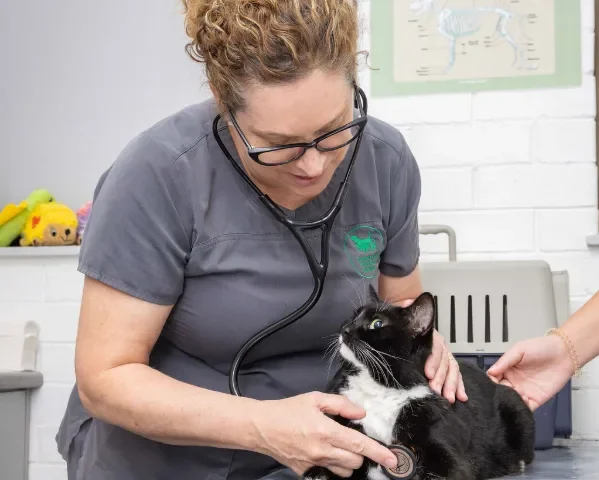
At Logan Village Vets, my nursing team and I are here to help with weigh-ins and body-condition assessments. These checks are already a regular part of how we support pets and their families in managing weight.

These regular checks help us monitor your pet’s progress and adjust the plan as needed, so you’re not left guessing.

Book An Appointment With A Vet Team That Takes The Time To Get To Know Your Pet.

Frequently Asked Questions

How Can I Tell If My Dog Is Overweight?

Look at body shape as well as the number on the scales. You should generally be able to feel the ribs easily, see a waist from above and notice an abdominal tuck from the side.

A body-condition assessment can give you a more accurate picture, particularly for dogs with thick coats or naturally stocky builds.

How Can I Tell If My Cat Is Overweight?

Feeling your cat’s ribs and looking at their waist and abdominal shape can give you an initial indication. Body-condition scoring provides a more structured assessment of fat coverage than weight alone.

If your cat’s shape has gradually changed, comparing their current weight with previous veterinary records can also be useful.

What Is A Healthy Weight For My Dog Or Cat?

There is no single healthy kilogram range that applies to every dog or cat. Breed, body frame, age and individual body composition all influence what is appropriate.

Veterinary teams therefore use body weight alongside body condition scoring to assess whether a pet is at their ideal condition.

How Often Should I Weigh My Overweight Pet?

The right monitoring schedule depends on the individual pet and their weight-management plan. Regular checks are useful because they show whether changes to food and activity are producing the intended result.

Logan Village Vets’ nursing support includes weigh-ins and body-condition assessments, helping owners track changes rather than relying on appearance alone.

Can Being Overweight Affect My Pet’s Breathing?

Yes. Excess body weight can contribute to respiratory problems and may make breathing more difficult during activity.

If your pet has developed breathing difficulty or a noticeable reduction in exercise tolerance, weight should not automatically be assumed to be the only cause.

Can Being Overweight Cause Joint Problems In Pets?

Excess weight is associated with joint disease and reduced mobility in dogs and cats. Carrying additional body weight can also make normal movement and exercise more difficult.

Maintaining an appropriate body condition is therefore relevant to both mobility and general health.

Why Is My Pet Overweight Even Though They Don’t Eat Much?

Portion size is only one factor. Treats, activity levels, age, breed, desexing and changes in energy requirements can all influence weight.

A diet history and body-condition assessment can help identify where the imbalance may be occurring.

Should I Put My Overweight Pet On A Strict Diet?

Avoid making severe changes without first establishing what your pet actually needs. Veterinary weight plans take body condition, current diet, health, activity and an appropriate calorie target into account.

A measured approach also makes it easier to monitor progress and adjust the plan when needed.