13-15 Wharf St, Logan Village QLD 4207
Vomiting and diarrhoea are symptoms, not diagnoses. That distinction matters because two pets can show the same signs but need completely different treatment.
Sometimes a pet has simply eaten something unusual and develops a mild stomach upset. Other times, the cause might be a swallowed toy, pancreatitis, or even kidney disease. Infections, parasites, toxins and many other conditions can look very similar at first glance.
A photo, an online search or even the colour of the diarrhoea cannot tell us what is really going on. I need to look at the whole picture and examine your pet myself to understand what is happening.
There are many possible causes. Sudden changes in diet, rich foods, scavenging, or certain medications can upset the stomach and intestines. Worms and other parasites can also lead to diarrhoea, vomiting, weight loss or a general decline in condition.
Infectious diseases are another possibility I consider. Parvovirus is especially worrying in puppies and unvaccinated dogs, as it can cause severe vomiting, diarrhoea and dehydration. Leptospirosis can also lead to vomiting and diarrhoea in dogs, often with other changes like lethargy, reduced appetite or changes in drinking and urination.
Sometimes, a swallowed object creates a very different problem. Dogs and cats may eat fabric, toys, bones, string or other things that cannot pass through the digestive tract. This can lead to vomiting, poor appetite, abdominal pain and lethargy. Even if there is diarrhoea, I do not rule out an obstruction.
Pancreatitis is another possible cause. It occurs when the pancreas becomes inflamed. Pets with pancreatitis may vomit, stop eating, become lethargic or show signs of abdominal pain. Some develop diarrhoea, while others only show subtle changes.
Vomiting can also be caused by problems outside the digestive tract. Kidney disease may lead to nausea and vomiting, especially when it comes with increased thirst, changes in urination, reduced appetite, weight loss or lethargy. Liver disease, hormonal changes and some toxins can look similar.
The details you share help me decide what needs attention first. One isolated episode is very different from vomiting that happens every hour. A single soft stool is not the same as frequent watery diarrhoea that continues throughout the day.
I will want to know when the symptoms started, how often they are happening, and whether your pet can keep water down. Blood is also important to mention. Fresh red blood, black or tarry stools, or blood in vomit all need veterinary attention.
Your pet’s behaviour often tells me as much as the symptoms themselves. A pet who is still bright and comfortable is very different from one who is hiding, trembling, collapsing or refusing food. Abdominal pain, marked lethargy and weakness make the situation more urgent.
Vomiting and diarrhoea both remove fluid from your pet’s body. When both occur together, dehydration can develop more quickly. Its severity is not always easy to judge at home, especially in young, older or already unwell pets.
Please contact your vet promptly if vomiting or diarrhoea is repeated, getting worse or not settling. If you notice blood, obvious pain, marked lethargy, weakness or your pet cannot keep water down, do not wait to seek help.
A swollen or painful abdomen also needs prompt assessment. The same is true if you think your pet may have swallowed something they should not have, eaten a toxin or accessed human medication.
Puppies and unvaccinated dogs need special care, as parvovirus can progress quickly. Cats who are vomiting and have changes in thirst or urination also need to be checked, as kidney or urinary problems may be involved.
If your pet collapses, struggles to breathe, becomes unresponsive or gets worse quickly, please seek emergency veterinary care straight away.
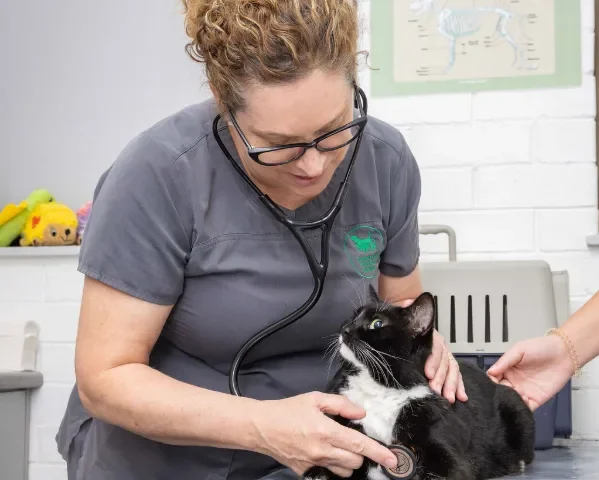
There is no single test for vomiting and diarrhoea. I begin by listening to your pet’s history and performing a thorough examination. Age, vaccination status, diet, medications, recent scavenging and possible access to toxins all help me narrow down the likely causes.
Depending on what I find, I may recommend blood tests, urine testing or a faecal test. Sometimes, diagnostic imaging is needed if I am concerned about a foreign body, obstruction or another abdominal issue.
Not every pet needs every test. My goal is to narrow down the possibilities and choose a treatment that fits your pet’s actual problem. Treating pancreatitis is very different from treating worms, kidney disease, parvovirus or an intestinal obstruction.
Searching symptoms online will give you a long list of possible causes, many of which may sound likely. This is where it gets tricky, because the same signs can appear in both mild upsets and serious illnesses.
An online search cannot feel your pet’s abdomen, check their hydration, review their circulation or run any tests. It cannot safely rule out a blockage, organ disease or infection.
Please do not rely on leftover medication or home remedies to cover up symptoms. Only withhold water if a veterinarian specifically advises it. Masking the signs can delay the examination and care your pet may need.
The best next step is to contact your vet, explain what is happening and follow their advice. At Logan Village Vets, you are welcome to call the clinic or request an appointment online. A proper examination and diagnosis help us find the right treatment for your pet without unnecessary delay.
Weight changes can affect more than how your pet looks. Monitoring weight and body condition can provide useful clues about their overall health.
Persistent bad breath may be more than an unpleasant smell. Changes inside the mouth can sometimes indicate dental problems that need closer examination.
Please seek veterinary advice promptly if the symptoms repeat, get worse or do not settle. If you notice blood, pain, marked lethargy, weakness, collapse or your pet cannot keep water down, a faster assessment is needed. Very young, elderly or already unwell pets may deteriorate more quickly.
Yes, pancreatitis can cause vomiting, diarrhoea, reduced appetite, lethargy, dehydration and abdominal pain. These signs can also occur with other conditions, so symptoms alone do not confirm pancreatitis.
Kidney disease can cause vomiting and, in later or more severe cases, diarrhoea. Other changes may include increased thirst, altered urination, reduced appetite, weight loss and lethargy. A veterinary examination and some testing are needed to find the cause.
Home care depends on the cause, severity, age and general health of your pet. Please contact your vet before giving any medication or withholding food or water. If symptoms repeat or warning signs appear, it is best not to rely on online advice alone.
Yes, a foreign body may cause vomiting, poor appetite, abdominal discomfort, lethargy and sometimes diarrhoea. Diarrhoea does not mean the object has passed or rule out an obstruction.
Worms and other intestinal parasites can cause diarrhoea, vomiting, weight loss or a general decline in condition. The signs vary depending on the parasite and your pet’s age and health. A faecal test may help us identify the cause.
It can be, especially if the puppy is unvaccinated, weak, not eating, not drinking or passing bloody diarrhoea. Parvovirus is one possible cause and can progress quickly. Please contact your vet promptly rather than waiting for the symptoms to settle.
The tests I recommend depend on your pet’s examination and history. I may suggest blood tests, urine testing, a faecal test or diagnostic imaging. Not every pet needs every test, but an examination helps me decide what is appropriate.
Contact Info
Opening Hours
Monday to Friday: 8:00am – 6:00pm
Saturday: 8:00am – 1:00pm
Sunday: CLOSED
Closed on public holidays
© Logan Village Vets 2026 | Website by Specialist Vet Marketing