
13-15 Wharf St, Logan Village QLD 4207

Pet Desexing For Dogs And Cats


Desexing is a routine procedure for dogs and cats, but we understand that any surgery can feel like a big day. Knowing what to expect before, during, and after helps you feel prepared and makes things go more smoothly for both you and your pet.

At Logan Village Vets, we offer desexing for both dogs and cats right here at the clinic. We’ll walk you through what to do before surgery, keep you updated on your pet’s progress, and make sure you know exactly how to care for them once they’re home.

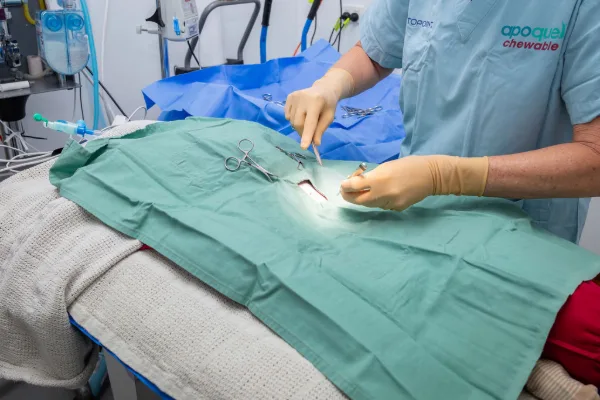
close up of Logan Village veterinarian performing surgery on a cat

Desexing Male And Female Pets

Desexing means a spay procedure for female dogs and cats and castration for male dogs and cats. We’re here to talk you through what each involves and answer any questions you might have.

Many families choose to desex their pets for health reasons. Desexing can help prevent or lower the risk of certain reproductive conditions, and we’re always happy to discuss how this might relate to your pet.

Behaviour is sometimes part of the conversation as well. For example, desexing can affect behaviours such as roaming or urine marking, and we can talk through what this might mean for your pet.

Desexing is not always a complete solution for behaviour concerns. If you’re considering surgery because of behaviour, let us know so we can talk it through together and explore the best options for your pet.

Preparing Your Pet For Desexing Surgery

There are a few simple things to organise before your pet’s visit, and we’ll guide you through each step.

We’ll provide clear instructions about fasting before surgery, including when to stop eating and drinking. Following these steps helps keep your pet safe during their procedure.

When you arrive, we’ll confirm your pet’s details and ask about any recent health changes. Please let us know if your pet has been unwell.

Our nurses are happy to talk with you about pre-anaesthetic blood tests. These can give us helpful information about your pet’s liver and kidney function before surgery.

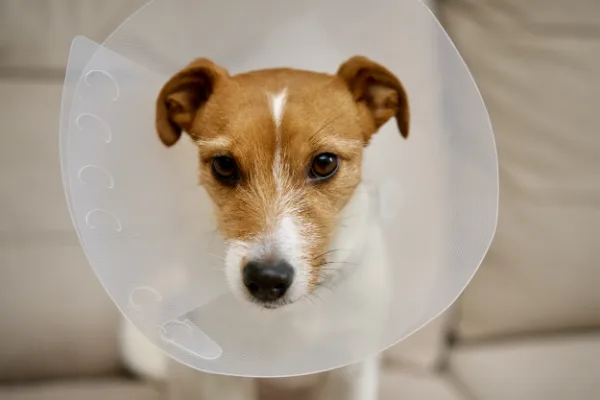
Jack Russell in Elizabethan collar following desexing procedure

What Happens After The Procedure?

Once your pet is awake and comfortable, our nurses will call you with an update and arrange a time for you to collect them.

When you come to pick up your pet, a nurse will talk you through how their day went and explain the care they’ll need at home. We’ll also send you home with written aftercare instructions for easy reference.

Pain relief is always part of our surgical care. If your pet needs extra medication at home, we’ll make sure you know how and when to give it.

We believe it’s important that you feel confident about what’s normal during recovery, what to watch for, and when to reach out for advice.

Helping Your Pet Recover At Home

It’s normal for pets to be a bit sleepy or quiet for the first 12 to 24 hours after surgery. Anaesthetic and sedation can take a little while to wear off completely.

Keep your pet’s surgical wound clean and dry while they heal. Take a look at the area each day for any swelling, discharge, bleeding, or signs of licking or chewing.

Your pet will need to take it easy while their body heals. We’ll give you specific recovery instructions based on your pet and the procedure they’ve had.

Microchipping While Your Pet Is Having Surgery

If your dog or cat needs a microchip, we can take care of this while they’re here for surgery.

A microchip gives your pet permanent identification if they ever become lost. Doing it during a surgical visit means it’s all sorted while your pet is already in our care.

Vet Services

Veterinary Care Through Every Life Stage

Your pet’s needs change as they move through life. A young puppy needs different care than an adult dog, and older cats often benefit from a closer look as small changes start to show.

We’re here for dogs and cats at every stage, from prevention and routine health checks to diagnostics, surgery, and gentle support in later years.

Seeing your pet regularly helps us learn what’s normal for them and spot changes early, so we can step in when it matters.

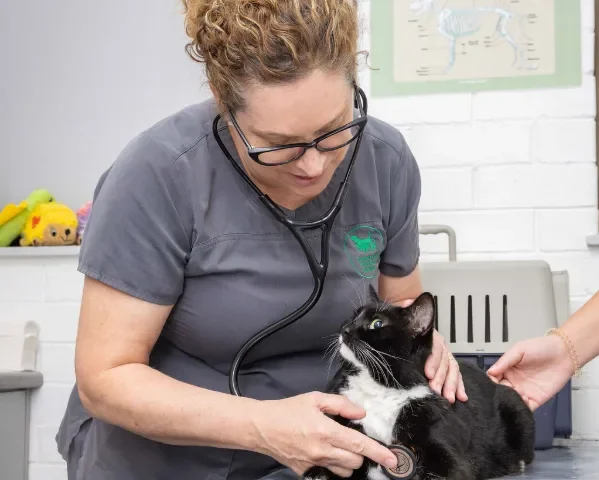
Everyday care covers consultations, health checks, vaccinations, desexing, dental care, support for senior pets, microchipping, weight checks, and advice on nutrition.

These visits are also a good time to talk about smaller concerns, like changes in appetite, movement, behaviour, or anything else you’ve noticed at home.


Sometimes, a physical exam isn’t quite enough to get the answers we need.

We offer diagnostic imaging, in-house pathology, orthopaedic surgery, and care for more complex health concerns.

What happens next depends on your pet, what we find, and the kind of care they need.

Puppies learn so much in their first months, and it’s a key time for building good habits and confidence.

Our puppy preschool gives young dogs and their families a gentle start, with early learning in a supportive setting. It’s a great way to build helpful habits right from the beginning.

We know that unexpected vet visits can put pressure on the family budget.

We can help with pet insurance claims and offer payment options that may make things easier for eligible clients. What’s available will depend on your insurer or payment provider.

Google Reviews

Testimonials

Nicola Adams

I took my beautiful boy to get a concern I had checked. This was our first visit. We were greeted by friendly and caring staff. We felt in very good hands. I would highly recommend this practice if you need a vet.

Kylie C

This vet is the best I have been too and the most caring to an animal I have seen. There loyal and very friendly. Highly recommend for ur fur baby.

Mel Thorpe

Dr Nigel is so nice he’s very caring and compassionate thorough in his work feel really comfortable bringing my boy Shnickles to c him staff are absolutely amazing very friendly and helpful wouldn’t go anywhere else

Paige Furner

Couldn’t recommend this vet enough! It is a bit of a drive for me and my partner but went on a recommendation from my sister. Unfortunately, one of my cats had to have her leg amputated after she broke her leg and we were taken care of so well! The vets loved my baby and treated her with so much kindness and went above and beyond to keep any worries I had at bay. You can tell this vet genuinely cares about their patients and will go above and beyond to take care of you.

David Tyndall

Have had great service and attention in particular from Vicky every time I have had to visit the clinic. Happy to recommend

Robert Trewin

Very professional in looking after my dog along with reasonable pricing excellent for great advice as usual.

Elliot Georgiades

Dr Richard was fantastic with my dog, who can be quite nervous at the vet. Even when things got a bit stressful, he stayed calm, kind, and professional the whole time. Really appreciated how understanding and gentle he was – you can tell he genuinely cares about animals. Highly recommend.

Lucy

I took my little guy here after having other vets dismiss my concerns about his symptoms. I was blown away by the personable, kind, informative care we received. The reception staff are also so lovely. I’ve never seen my little guy so confident at the vet due to the doctor’s impeccable bedside manner. He’s been started on new meds and I’ve never seen my little guy so happy. The prices are incredibly reasonable as well.

Frequently Asked Questions

Do Logan Village Vets Desex Both Dogs And Cats?

Yes, we offer desexing for both male and female dogs and cats. Our team can help with spay and castration procedures for both species.

What Happens When My Pet Comes In For Desexing?

When you bring your pet in, we’ll confirm their details and check on their recent health. After surgery, our nurses will update you and arrange a time for you to collect your pet once they’re ready to go home.

Does My Dog Or Cat Need To Fast Before Desexing?

Yes, fasting is part of preparing for surgery. We’ll give you clear instructions about when to remove food and water to help keep your pet safe during their procedure.

What Problems Should I Watch For After Desexing Surgery?

Keep an eye out for things like unusual tiredness, vomiting, redness, swelling, bleeding, discharge, or any problems with the wound. If you’re ever unsure about your pet’s recovery, please give us a call.

Will My Pet Receive Pain Relief After Desexing?

Pain relief is always part of our care for pets having surgery. If your pet needs extra medication at home, we’ll explain how and when to give it.

Can My Pet Be Microchipped While Being Desexed?

Yes, we can microchip your pet while they’re here for surgery. This gives them permanent identification and helps reunite lost pets with their families.

How Long Does Recovery Take After Pet Desexing?

Most pets need about 10 to 14 days of wound care after surgery, but recovery can vary. We’ll give you tailored instructions for your pet when you take them home.

Is It Normal For My Pet To Be Sleepy After Desexing?

It’s common for pets to be a bit sleepy after an anaesthetic or sedative. Most will start to feel more like themselves within 12 to 24 hours.

Book An Appointment With A Vet Team That Takes The Time To Get To Know Your Pet.