

13-15 Wharf St, Logan Village QLD 4207

Pyometra In Dogs: Olive’s Emergency Surgery


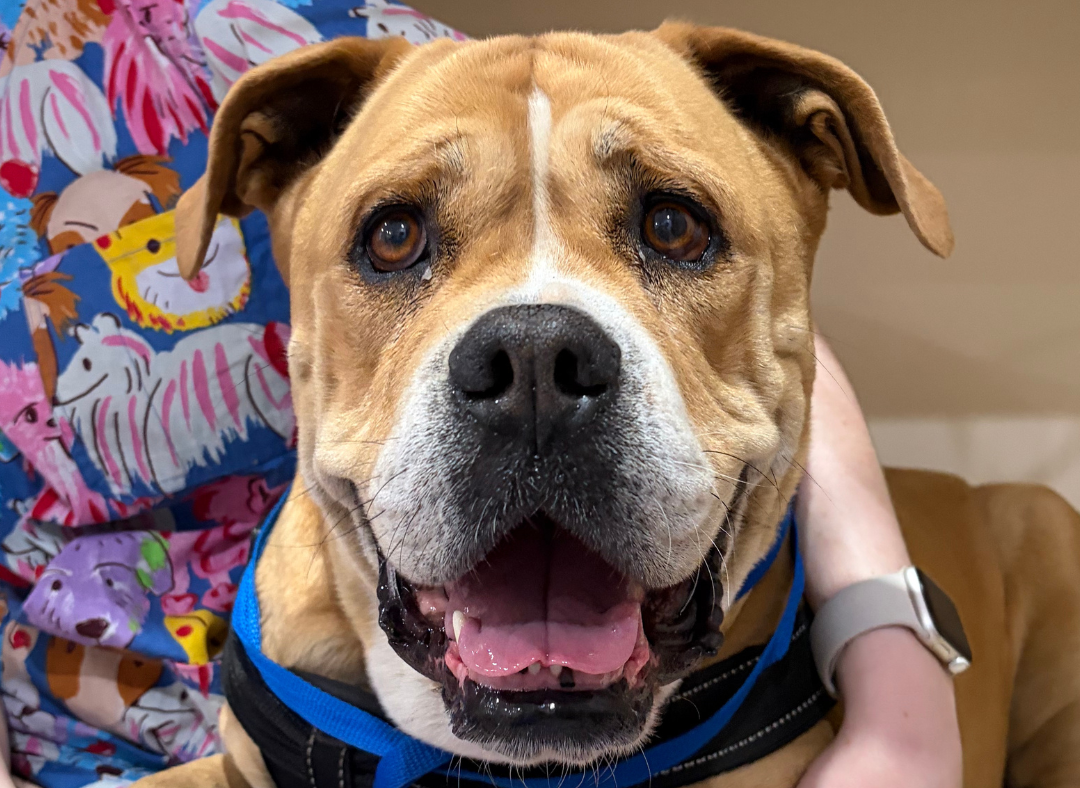
closeup of face of mastiff sitting in Logan Village vet with nurse

Patient Information

Name: Olive
Age: 6 years
Breed: Mastiff
Gender: Female, entire

Lethargy, Loss Of Appetite And Abnormal Discharge

Olive came in feeling noticeably unwell. Her family had noticed she was lethargic and had lost interest in food. They had also seen a red-brown vaginal discharge.

Those signs mattered, particularly because Olive had not been desexed. Our examination raised concern about a uterine infection, and further assessment confirmed pyometra.

“The tricky thing with pyometra is that you won’t always see discharge. Sometimes the infection is completely contained inside the uterus.”

Pyometra Can Become Serious Very Quickly

Pyometra is a serious infection of the uterus that affects entire female dogs. The uterus fills with infected material as the condition develops.

Bacteria and inflammatory toxins can then enter the bloodstream. This can lead to severe illness, sepsis and organ dysfunction, and can be fatal without treatment.

Vaginal discharge can be an important warning sign, but it does not happen in every case. Sometimes the cervix remains closed, and the infected material stays trapped inside the uterus.

This means a dog can become critically unwell without any obvious discharge.

Stabilising Olive Before Emergency Surgery

Because pyometra can become life-threatening quickly, Olive needed prompt treatment.

We first stabilised her with intravenous fluids and antibiotics. Once she was ready for surgery, we removed the infected uterus and ovaries.

This procedure is called an ovariohysterectomy. For most dogs with pyometra, surgery is the treatment of choice once they have been appropriately stabilised.

“Desexing prevents pyometra, which is important because treating it once it develops can mean emergency surgery in an already unwell dog.”

Why Pyometra Surgery Is Different From Routine Desexing

A planned desexing and emergency pyometra surgery may remove the same reproductive organs, but the circumstances can be very different.

A dog having routine desexing is generally healthy when they arrive for surgery. A dog with pyometra may already be dehydrated, systemically unwell and dealing with a serious infection.

That creates additional challenges and risks compared with an elective procedure.

Closeup of Bull-Mastiff looking at camera while Logan Village vet holds on to them.

What Olive’s Case Reminds Us

Olive’s family knew something was not right and had her assessed when her behaviour and appetite changed.

Changes such as lethargy, reduced appetite and abnormal vaginal discharge can be important warning signs in an entire female dog. They deserve a veterinary assessment rather than waiting to see whether they settle.

Pyometra is also largely preventable through desexing. Once the uterus is removed, a dog cannot develop this type of uterine infection.

The appropriate timing of desexing can vary with a dog’s age, breed, size and health. It is a decision that should be made on an individual basis.

Vet Services

Veterinary Care Through Every Life Stage

Your pet’s needs change as they move through life. A young puppy needs different care than an adult dog, and older cats often benefit from a closer look as small changes start to show.

We’re here for dogs and cats at every stage, from prevention and routine health checks to diagnostics, surgery, and gentle support in later years.

Seeing your pet regularly helps us learn what’s normal for them and spot changes early, so we can step in when it matters.

Everyday care covers consultations, health checks, vaccinations, desexing, dental care, support for senior pets, microchipping, weight checks, and advice on nutrition.

These visits are also a good time to talk about smaller concerns, like changes in appetite, movement, behaviour, or anything else you’ve noticed at home.


Sometimes, a physical exam isn’t quite enough to get the answers we need.

We offer diagnostic imaging, in-house pathology, orthopaedic surgery, and care for more complex health concerns.

What happens next depends on your pet, what we find, and the kind of care they need.

Puppies learn so much in their first months, and it’s a key time for building good habits and confidence.

Our puppy preschool gives young dogs and their families a gentle start, with early learning in a supportive setting. It’s a great way to build helpful habits right from the beginning.

We know that unexpected vet visits can put pressure on the family budget.

We can help with pet insurance claims and offer payment options that may make things easier for eligible clients. What’s available will depend on your insurer or payment provider.

Practical Pet Advice

It’s not always easy to know when a change in your pet needs a closer look.

Our pet advice answers common questions that come up when you notice something different at home, like vomiting, diarrhoea, bad breath, or changes in weight.

Vomiting And Diarrhoea In Pets: Possible Causes

Vomiting and diarrhoea can happen for many reasons. Understanding the other signs your pet is showing can help determine when a veterinary assessment may be needed.

Read More

Why Does My Pet Have Bad Breath?

Persistent bad breath may be more than an unpleasant smell. Changes inside the mouth can sometimes indicate dental problems that need closer examination.

Read More

Why Your Pet’s Weight Matters More Than You Realise

Weight changes can affect more than how your pet looks. Monitoring weight and body condition can provide useful clues about their overall health.

Read More

Frequently Asked Questions

What Are The Warning Signs Of Pyometra In Dogs?

Possible signs to watch for include tiredness, loss of appetite, increased drinking or urinating, vomiting, diarrhoea, or a swollen or uncomfortable belly. Some dogs may also have a bloody, brown, or pus-like discharge.

Can A Dog Have Pyometra Without Vaginal Discharge?

Yes. If the cervix stays closed, the infection can remain hidden inside the uterus. This means a dog can become very unwell even if there is no discharge to see.

Why Is Pyometra Considered An Emergency In Dogs?

Pyometra can quickly move from a local infection to a more serious illness affecting the whole body. Bacteria and toxins can enter the bloodstream, making a dog very sick.

How Does A Vet Diagnose Pyometra In A Dog?

Diagnosis starts with noticing changes in your dog and a thorough veterinary examination. If we suspect a uterine infection, we’ll recommend further tests to confirm what’s going on. In Olive’s case, this approach helped us find the cause quickly.

What Are The Benefits Of Desexing My Female Dog?

Desexing prevents unwanted pregnancies and means your dog will no longer come into season. It also prevents pyometra and diseases of the ovaries and uterus, including reproductive cancers.

Desexing can also reduce the risk of mammary tumours, although the level of protection depends on when your dog is desexed. The best timing can vary with breed, size, age and individual health, so this decision is worth discussing with your vet.

How Is Pyometra Usually Treated In Female Dogs?

In most cases, once a dog is stable, surgery to remove the infected uterus and ovaries is recommended. For Olive, we started with fluids and antibiotics before moving ahead with her emergency surgery.

Can Desexing Prevent Pyometra In Female Dogs?

Desexing is a reliable way to prevent pyometra. Once the uterus is removed, a dog cannot develop this type of infection.

Is Pyometra Surgery Different From Routine Dog Desexing?

Yes. Routine desexing is usually done when a dog is healthy, but pyometra surgery is often needed when a dog is already unwell. This can make the emergency procedure more complex and carry extra risks.

Book An Appointment With A Vet Team That Takes The Time To Get To Know Your Pet.