
13-15 Wharf St, Logan Village QLD 4207

Subtle Signs Your Cat Is Unwell: Marvin’s Emergency Surgery


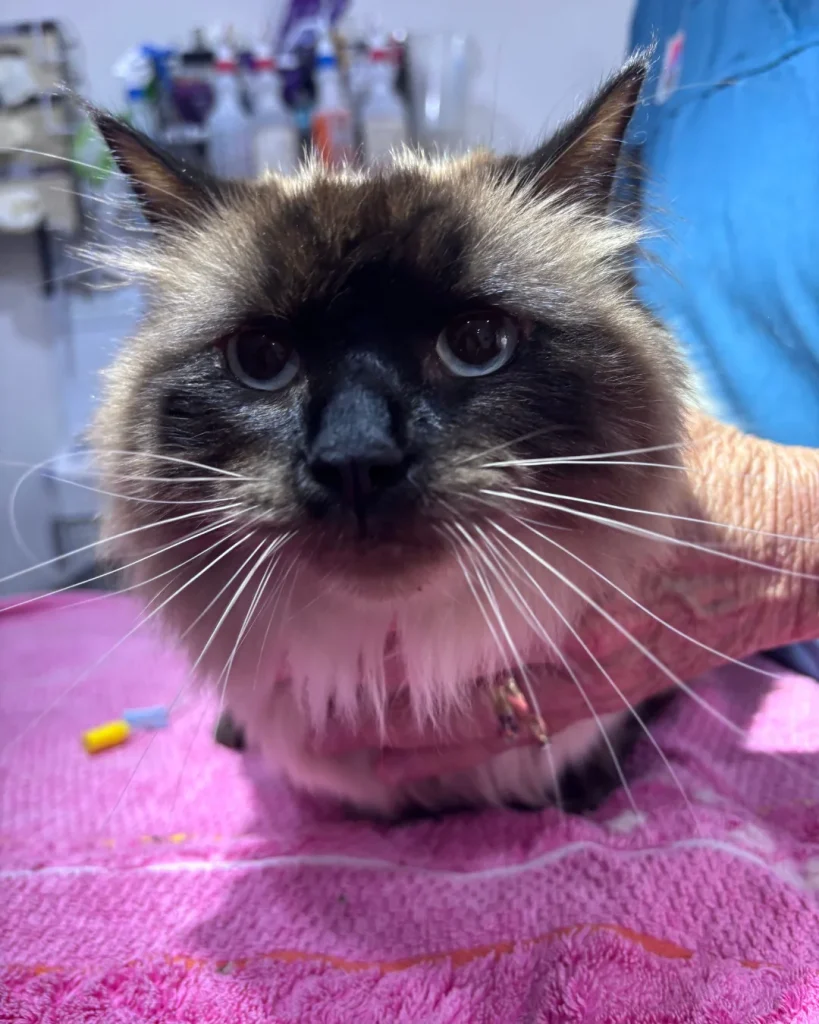
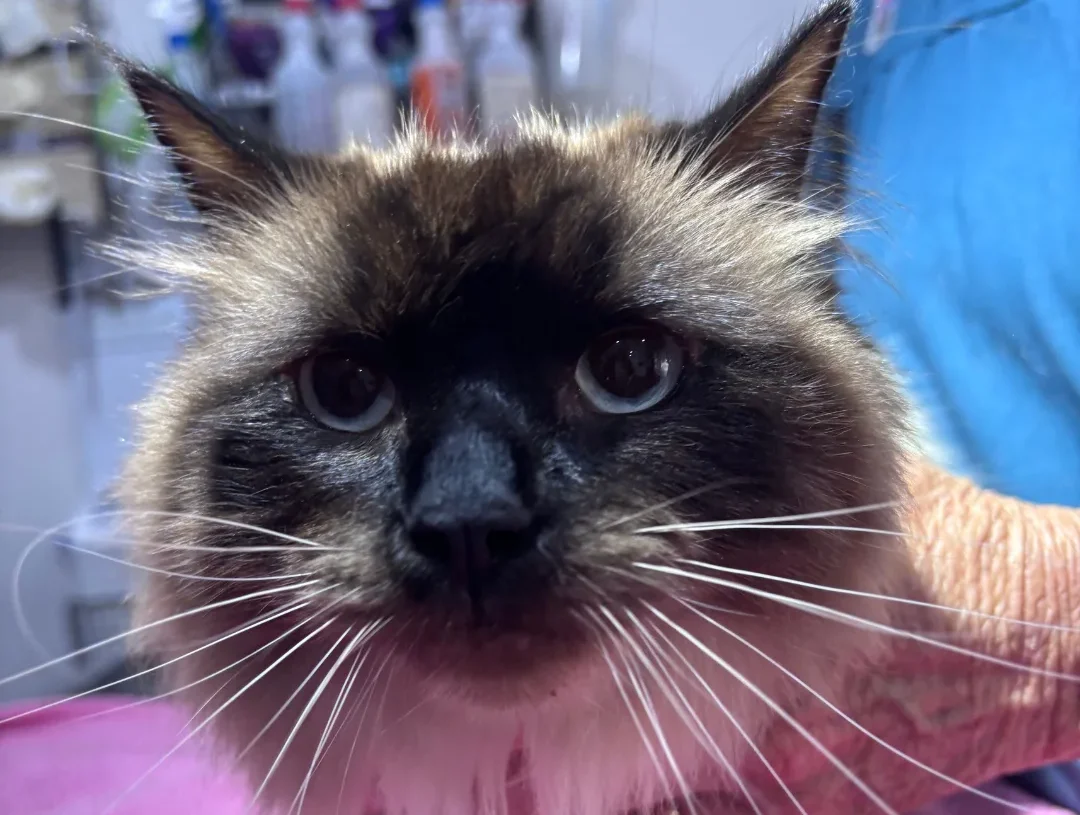
Fluffy ragdoll cat being gently held on a pink towel on a vet examination table.

Patient Information

Name: Marvin
Breed: Ragdoll
Gender: Male

Marvin Suddenly Starts Vomiting And Hiding

Earlier that morning, Marvin had been completely himself, happily sitting with his owner while they worked.

A few hours later, Marvin’s day took a sudden turn.

He began dry retching and brought up small amounts of fluid. Marvin also strained in his litter tray but passed very little urine. He stopped eating, refused treats and started hiding under the bed.

His family noticed he was uncomfortable when they gently touched his belly.

For a cat who had been his usual self just that morning, these were subtle but important signs that something was wrong.

“Cats can make the early signs of illness look deceptively subtle. Hiding, refusing food or vomiting can be the first indication that something significant is happening.”

Straining In The Litter Tray Was Not The Whole Story

When a male cat strains in the litter tray and passes very little urine, it’s understandable to worry about the urinary tract.

When we examined Marvin, his bladder felt small and soft, which made a urinary obstruction less likely at that stage.

Instead, we found a specific area in his abdomen that was painful. His abdominal pain, vomiting and sudden change in behaviour meant we needed to look beyond the litter tray signs and find out what was happening inside.

Ultrasound Reveals A Small Intestinal Obstruction

An initial ultrasound suggested there was a foreign object near the ileocaecal junction, where the small and large intestines meet.

The bowel behind this area was swollen, with inflammation around the affected intestines.

A full abdominal ultrasound confirmed that something was blocking Marvin’s small intestine. We also saw small pockets of free fluid in his abdomen, which suggested the problem could be progressing.

Abdominal ultrasound is a valuable tool when we’re investigating a possible gastrointestinal obstruction, as it can help us identify foreign material and distended intestinal loops.

“When a foreign body is not moving and the intestine is becoming more inflamed and distended, that is something we take very seriously.”

The Foreign Body Was Not Moving

What we saw next was important.

The foreign body had not moved since Marvin’s earlier scan, and the ultrasound changes were becoming more concerning.

At that point, waiting any longer would have increased the risk for Marvin, so we recommended surgery.

This is one of the things we consider when a cat has a gastrointestinal foreign body. Some objects can pass on their own, but if something remains lodged, causes an obstruction, or is linked with worsening signs, surgery may be needed.

Marvin Undergoes Emergency Abdominal Surgery

Before surgery, we made sure Marvin was comfortable and stable with intravenous fluids, pain relief and anti-nausea medication.

He then had an exploratory laparotomy, which allowed us to examine his abdomen and intestines directly.

We located and removed the foreign body.

Marvin Recovers After Foreign Body Surgery

After surgery, Marvin stayed in hospital for close monitoring and supportive care.

He recovered well and returned home after his hospital stay.

Marvin’s case began with signs that could have pointed in several directions. Vomiting, hiding, refusing food and straining in the litter tray do not give us the diagnosis on their own.

The examination helped us narrow down the possibilities. The ultrasound then showed us what was happening inside Marvin’s abdomen.

Why Intestinal Foreign Bodies Can Become Serious In Cats

Cats sometimes swallow all sorts of things around the home, like hair ties, string, toys, plastic or bits of packaging.

If something becomes lodged in the stomach or intestines, it can stop food and fluid from moving normally through the digestive tract.

As an obstruction progresses, the bowel can become swollen and inflamed. In more serious cases, the intestinal tissue can lose its blood supply or develop a hole, which can allow contamination of the abdomen and lead to further complications.

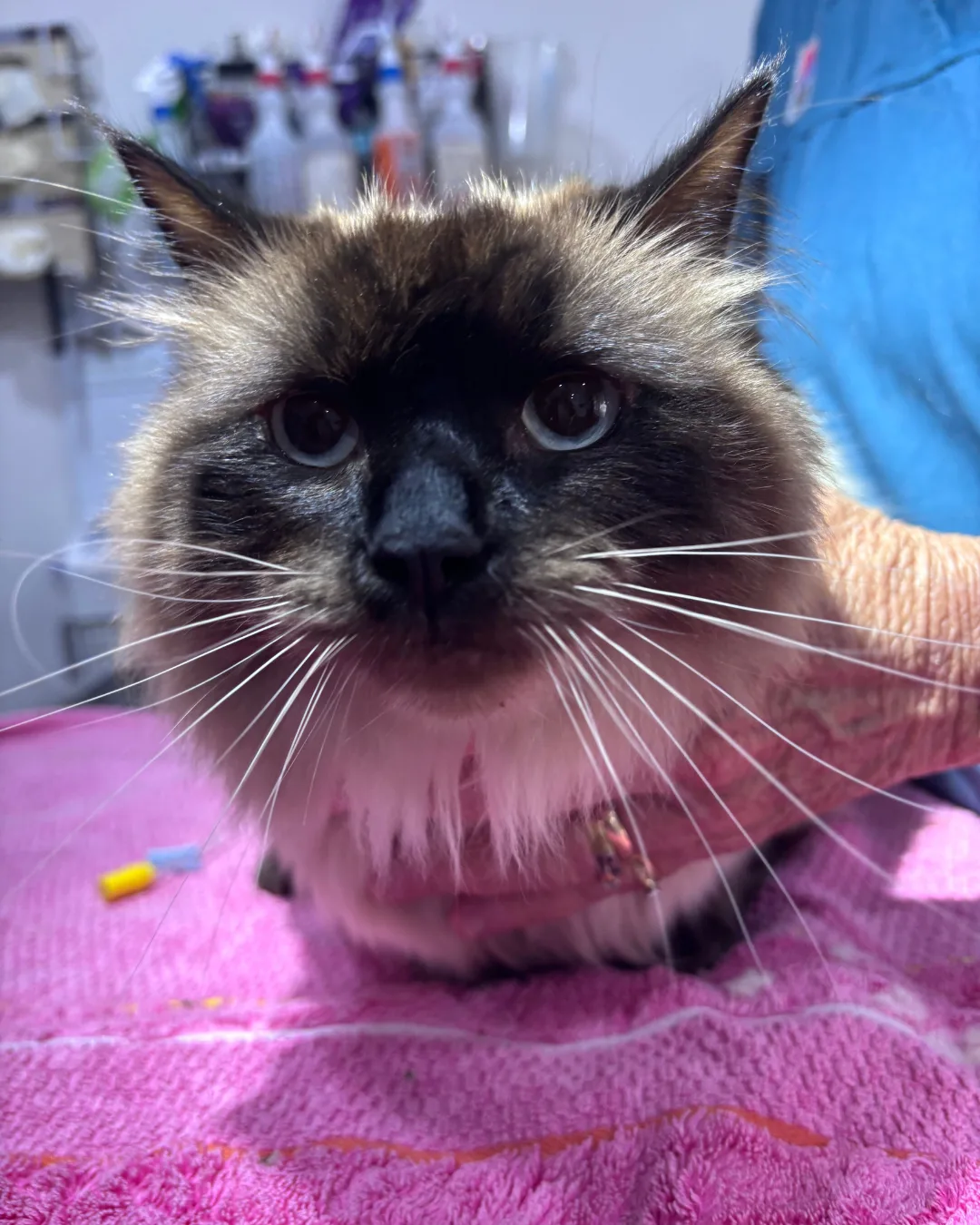
Fluffy ragdoll cat being gently held on a pink towel on a vet examination table.

Cats Do Not Always Make Illness Obvious

Marvin’s case is a good reminder that the signs a cat is sick are not always dramatic or specific.

That morning, he was happily sitting with his owner. Later, he was hiding, refusing food, vomiting and clearly uncomfortable.

A cat hiding more than usual, not eating or suddenly behaving differently can be a sign they are unwell. Vomiting, lethargy and abdominal pain can also occur with many different conditions, which is why looking at the whole clinical picture is so important.

If your cat suddenly stops eating, vomits repeatedly, seems in pain, starts hiding, or may have swallowed something unusual, it’s important to have them checked by a vet promptly.

“Owners know what normal looks like for their own cat. Marvin had been completely himself that morning, so that sudden change in his behaviour was important.”

Vet Services

Veterinary Care Through Every Life Stage

Your pet’s needs change as they move through life. A young puppy needs different care than an adult dog, and older cats often benefit from a closer look as small changes start to show.

We’re here for dogs and cats at every stage, from prevention and routine health checks to diagnostics, surgery, and gentle support in later years.

Seeing your pet regularly helps us learn what’s normal for them and spot changes early, so we can step in when it matters.

Everyday care covers consultations, health checks, vaccinations, desexing, dental care, support for senior pets, microchipping, weight checks, and advice on nutrition.

These visits are also a good time to talk about smaller concerns, like changes in appetite, movement, behaviour, or anything else you’ve noticed at home.


Sometimes, a physical exam isn’t quite enough to get the answers we need.

We offer diagnostic imaging, in-house pathology, orthopaedic surgery, and care for more complex health concerns.

What happens next depends on your pet, what we find, and the kind of care they need.

Puppies learn so much in their first months, and it’s a key time for building good habits and confidence.

Our puppy preschool gives young dogs and their families a gentle start, with early learning in a supportive setting. It’s a great way to build helpful habits right from the beginning.

We know that unexpected vet visits can put pressure on the family budget.

We can help with pet insurance claims and offer payment options that may make things easier for eligible clients. What’s available will depend on your insurer or payment provider.

Practical Pet Advice

It’s not always easy to know when a change in your pet needs a closer look.

Our pet advice answers common questions that come up when you notice something different at home, like vomiting, diarrhoea, bad breath, or changes in weight.

Vomiting And Diarrhoea In Pets: Possible Causes

Vomiting and diarrhoea can happen for many reasons. Understanding the other signs your pet is showing can help determine when a veterinary assessment may be needed.

Read More

Why Does My Pet Have Bad Breath?

Persistent bad breath may be more than an unpleasant smell. Changes inside the mouth can sometimes indicate dental problems that need closer examination.

Read More

Why Your Pet’s Weight Matters More Than You Realise

Weight changes can affect more than how your pet looks. Monitoring weight and body condition can provide useful clues about their overall health.

Read More

Frequently Asked Questions

What Are The Signs That My Cat Is Unwell?

Changes in appetite, vomiting, hiding, lethargy and unusual behaviour can all be signs that a cat is unwell. Pain may also show up as a change in behaviour or discomfort when part of the body is touched.

Marvin had been behaving normally that morning, but within hours he was hiding, refusing food, vomiting and showing signs of abdominal pain.

Can An Intestinal Blockage Make A Cat Strain In The Litter Tray?

Straining in the litter tray does not automatically confirm a urinary blockage. Marvin was straining and producing very little urine, but examination found that his bladder was small and soft.

His abdominal pain and subsequent ultrasound instead revealed an intestinal foreign body obstruction.

How Do Vets Diagnose An Intestinal Foreign Body In Cats?

Diagnosis usually combines the cat’s history, physical examination and diagnostic imaging. X-rays and abdominal ultrasound are commonly used when a gastrointestinal obstruction is suspected.

In Marvin’s case, an ultrasound showed the foreign body, bowel distension and inflammation around the affected intestine.

What Can An Ultrasound Show With A Cat Intestinal Obstruction?

Ultrasound can help identify a gastrointestinal foreign body and show changes in the surrounding intestines. This can include fluid-filled or distended bowel loops and other evidence of obstruction.

Marvin’s ultrasound showed the obstructing foreign body, intestinal distension, inflammation and small pockets of free abdominal fluid.

Why Is My Cat Suddenly Hiding And Not Eating?

Hiding and refusing food can be signs that a cat is unwell or uncomfortable, but they do not, on their own, indicate the underlying cause. Other symptoms and a physical examination help determine what needs to be investigated.

Marvin started hiding and stopped eating, alongside vomiting and abdominal pain. His examination and ultrasound ultimately revealed an intestinal obstruction.

Why Can An Intestinal Blockage Become Life-Threatening?

A lodged object can stop food and fluid from passing normally and may damage the intestinal tissue. If the blockage is severe, it can compromise the bowel, cause a hole to form, and lead to contamination and inflammation inside the abdomen.

Marvin already had bowel inflammation and free abdominal fluid when his obstruction was investigated.

What Objects Can Cause An Intestinal Blockage In Cats?

Cats are known to commonly swallow things like string, hair ties, toys, plastic, or bits of packaging. Whether something causes a blockage depends on its size, shape, and where it gets stuck.

Is Pyometra Surgery Different From Routine Dog Desexing?

After abdominal surgery, cats often need to stay in hospital for monitoring and supportive care while they recover. Ongoing care depends on each patient and what was found during surgery.

Marvin remained in hospital following his procedure, recovered well and was able to return home afterwards.

Book An Appointment With A Vet Team That Takes The Time To Get To Know Your Pet.