
13-15 Wharf St, Logan Village QLD 4207

Signs Of Phantom Pregnancy In Dogs: Tilly’s Case


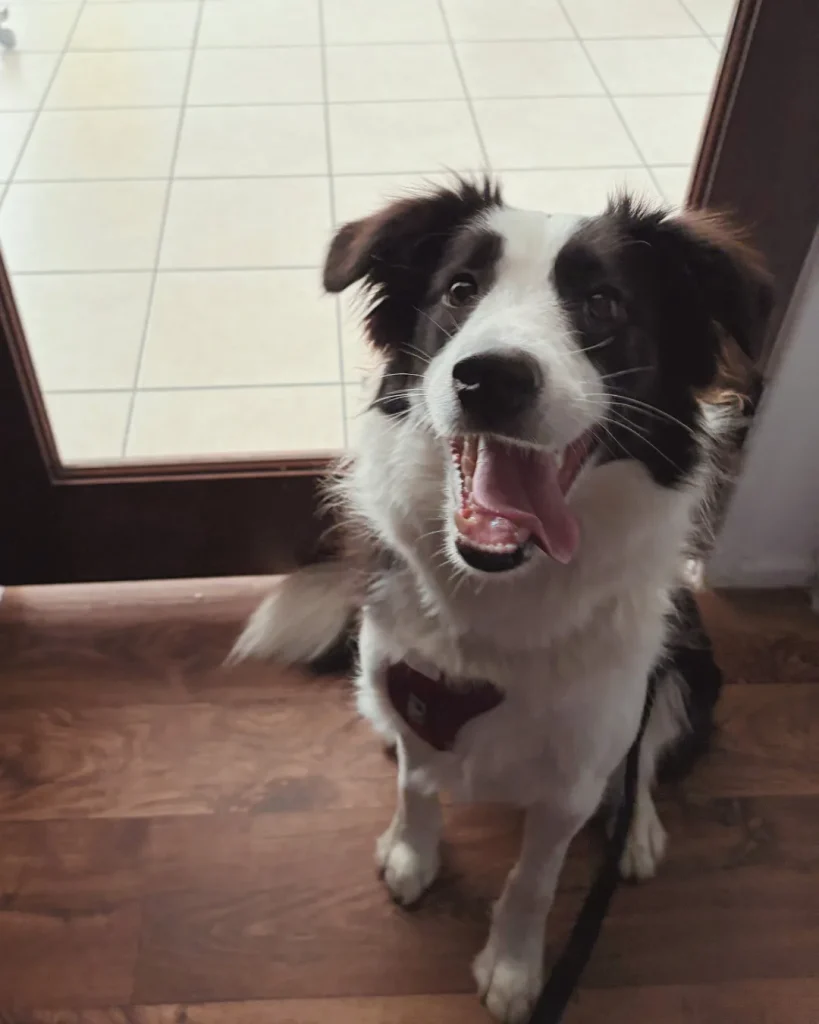
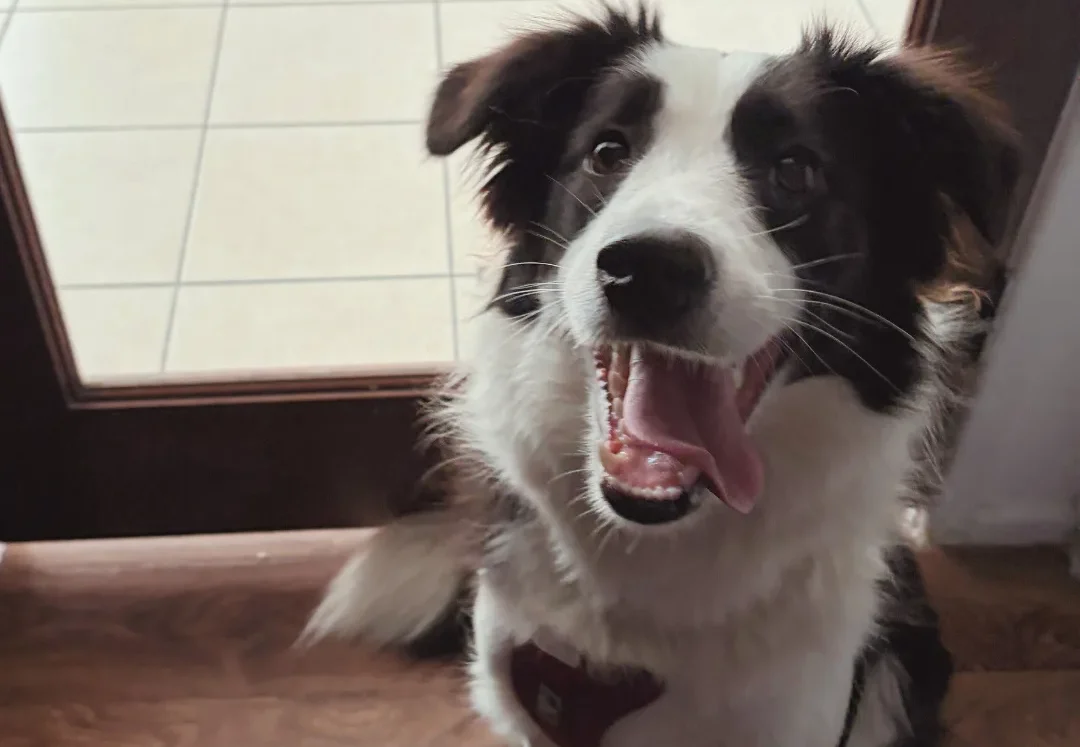
Black and white border collie sitting in Logan Vet and panting happily while looking up.

Patient Information

Name: Tilly
Age: 1 year
Breed: Border Collie
Gender: Female, entire

Tilly’s Mammary Glands Suddenly Became Enlarged

Tilly’s family brought her in after noticing that her mammary glands had become quite enlarged and slightly inflamed. Naturally, this made them wonder if she might be pregnant.

Tilly’s last season was about three to four months ago. During her visit, we noticed her mammary tissue was quite enlarged, and there was a small amount of clear discharge from the glands.

Pregnancy was certainly a possibility, but there are other reasons these changes can happen. Our next step was to work out what was going on for Tilly.

“If your dog suddenly looks or behaves as though she is pregnant after a season, it is worth having her checked rather than assuming puppies are on the way.”

An Ultrasound Rules Out Pregnancy

We carried out an abdominal ultrasound to check for any signs of pregnancy.

The ultrasound showed there were no puppies.

Instead, everything we found pointed to a phantom pregnancy, sometimes called pseudopregnancy.

Ultrasound is a helpful tool for distinguishing a true pregnancy from a phantom pregnancy, especially when the physical changes are quite convincing.

What Is A Phantom Pregnancy In Dogs?

A phantom pregnancy is when a female dog who hasn’t been desexed starts to show physical or behavioural signs that look just like pregnancy, even though she isn’t actually carrying puppies.

This is linked to the normal hormonal changes that happen after a heat cycle. Some dogs show hardly any changes, while others develop quite noticeable signs.

A dog doesn’t need to have mated for this to occur.

That’s what made Tilly’s case a little confusing at first. Her enlarged mammary glands and discharge looked enough like pregnancy that we needed to check carefully.

The Signs Can Look Surprisingly Like A Real Pregnancy

A phantom pregnancy can affect both a dog’s body and her behaviour.

Some dogs develop enlarged mammary glands or even start to produce milk. Others might gain a little weight or look fuller in the abdomen. Behavioural changes can include nesting, mothering toys, changes in appetite, or becoming a bit quieter or more attached than usual.

In some cases, dogs can even show changes that look a lot like labour.

For Tilly, the main changes were physical. Her mammary glands were quite enlarged, and there was a small amount of clear discharge.

“Phantom pregnancy can be surprisingly convincing. Some dogs can develop mammary changes and maternal behaviours without ever having been pregnant.”

Tilly Did Not Need Treatment At This Stage

Once we had ruled out pregnancy and checked Tilly’s signs, she didn’t need any treatment at that stage.

We advised her family to keep an eye on her while her hormones settled down.

This approach works well for many uncomplicated phantom pregnancies. Often, the signs settle on their own, though some dogs may need extra help if milk production or behavioural changes become a problem.

One practical tip is to avoid squeezing or expressing milk from enlarged mammary glands, as this can actually encourage more milk production.

Why Desexing Can Prevent Future Phantom Pregnancies

For female dogs who aren’t going to be bred, desexing prevents future heat cycles and helps avoid future episodes of hormonally driven phantom pregnancy.

Timing is important, though. It’s best to consider where a dog is in her reproductive cycle, rather than treating desexing as a one-size-fits-all decision. Surgery during certain hormonal stages can sometimes trigger or prolong phantom pregnancy signs, so it’s worth having a chat with your vet about the best timing.

For Tilly, we recommended her family simply monitor her current episode rather than starting treatment right away.

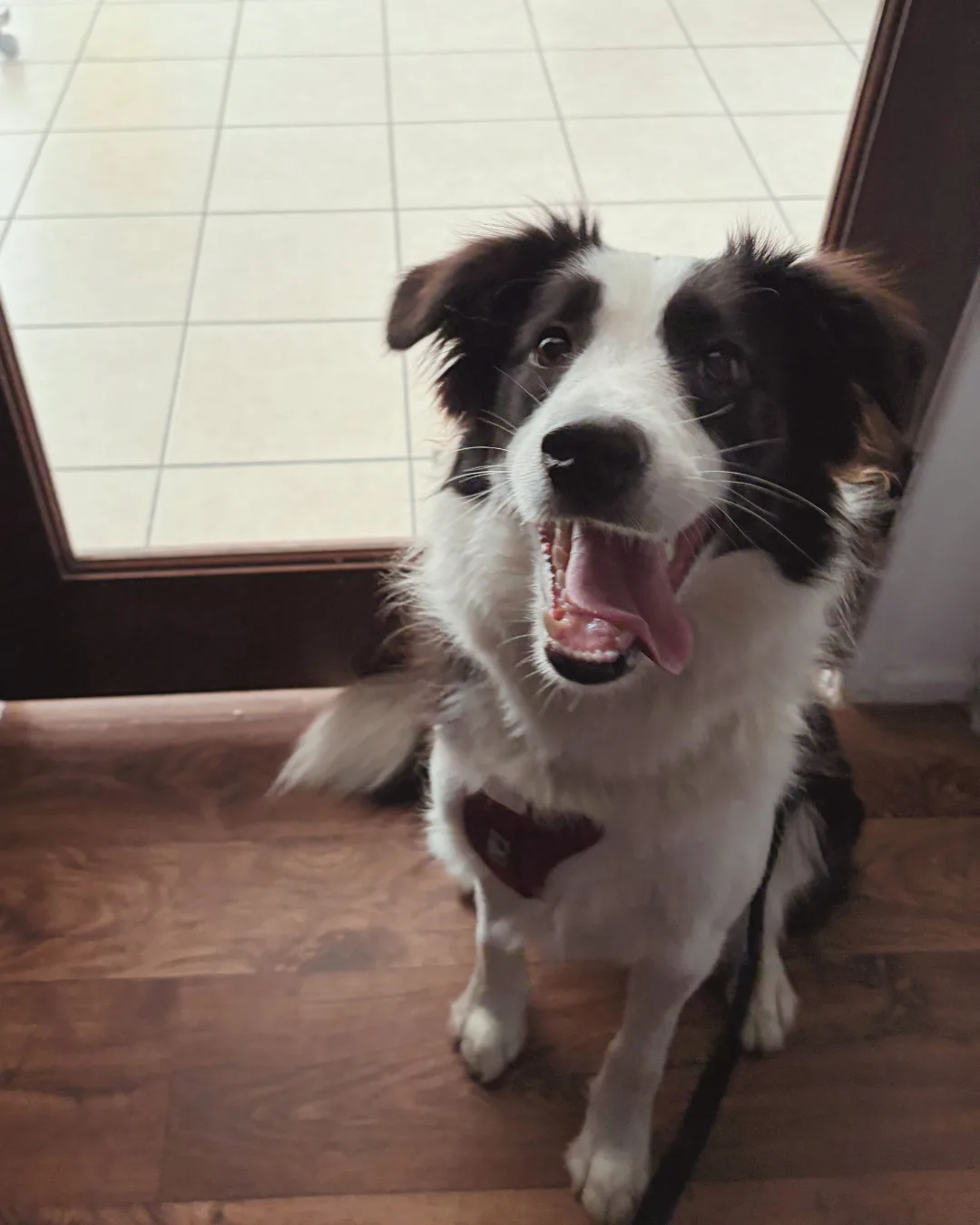
Black and white border collie sitting in Logan Vet and panting happily while looking up.

When Pregnancy-Like Changes Need A Vet Check

An enlarged abdomen or swollen mammary glands don’t always mean a dog is pregnant.

The same outward signs can happen with phantom pregnancy, and some other reproductive conditions can also cause changes that need a vet’s attention. By looking at when the dog’s last season was, conducting a thorough examination, and using imaging when needed, we can determine what’s really going on.

For Tilly, the ultrasound gave us a clear answer. There were no puppies, but her body was responding to hormonal changes as if a pregnancy had happened.

Vet Services

Veterinary Care Through Every Life Stage

Your pet’s needs change as they move through life. A young puppy needs different care than an adult dog, and older cats often benefit from a closer look as small changes start to show.

We’re here for dogs and cats at every stage, from prevention and routine health checks to diagnostics, surgery, and gentle support in later years.

Seeing your pet regularly helps us learn what’s normal for them and spot changes early, so we can step in when it matters.

Everyday care covers consultations, health checks, vaccinations, desexing, dental care, support for senior pets, microchipping, weight checks, and advice on nutrition.

These visits are also a good time to talk about smaller concerns, like changes in appetite, movement, behaviour, or anything else you’ve noticed at home.


Sometimes, a physical exam isn’t quite enough to get the answers we need.

We offer diagnostic imaging, in-house pathology, orthopaedic surgery, and care for more complex health concerns.

What happens next depends on your pet, what we find, and the kind of care they need.

Puppies learn so much in their first months, and it’s a key time for building good habits and confidence.

Our puppy preschool gives young dogs and their families a gentle start, with early learning in a supportive setting. It’s a great way to build helpful habits right from the beginning.

We know that unexpected vet visits can put pressure on the family budget.

We can help with pet insurance claims and offer payment options that may make things easier for eligible clients. What’s available will depend on your insurer or payment provider.

Practical Pet Advice

It’s not always easy to know when a change in your pet needs a closer look.

Our pet advice answers common questions that come up when you notice something different at home, like vomiting, diarrhoea, bad breath, or changes in weight.

Vomiting And Diarrhoea In Pets: Possible Causes

Vomiting and diarrhoea can happen for many reasons. Understanding the other signs your pet is showing can help determine when a veterinary assessment may be needed.

Read More

Why Does My Pet Have Bad Breath?

Persistent bad breath may be more than an unpleasant smell. Changes inside the mouth can sometimes indicate dental problems that need closer examination.

Read More

Why Your Pet’s Weight Matters More Than You Realise

Weight changes can affect more than how your pet looks. Monitoring weight and body condition can provide useful clues about their overall health.

Read More

Frequently Asked Questions

What Are The Signs Of A Phantom Pregnancy In Dogs?

Phantom pregnancy can cause enlarged mammary glands, milk production, weight gain, or a fuller-looking abdomen. Some dogs also nest, mother toys, lose interest in food, or show other changes in behaviour.

For Tilly, the main signs were noticeably enlarged mammary tissue and a small amount of clear discharge.

Can A Dog Have A Phantom Pregnancy Without Mating?

Yes. A dog does not need to mate or conceive to develop a phantom pregnancy.

This condition is linked to hormonal changes after a heat cycle, so a female dog who hasn’t been desexed can show pregnancy-like changes even when there are no puppies.

Why Are My Dog’s Mammary Glands Swollen After Her Season?

Hormonal changes after a season can cause mammary enlargement as part of a phantom pregnancy. Some dogs also develop milk or other discharge from the mammary glands.

Because mammary changes can have several causes, a veterinary check can help determine what’s going on.

Can A Dog Produce Milk Without Being Pregnant?

Yes. Milk production can occur during a phantom pregnancy even though the dog is not carrying puppies.

This is one of the physical effects that can happen with a phantom pregnancy. It’s best not to repeatedly express milk from the glands, as this can encourage more milk production.

How Do Vets Tell A Phantom Pregnancy From A Real Pregnancy?

Vets look at the dog’s reproductive history, do a thorough physical examination, and consider her signs. Imaging, such as ultrasound, can help confirm whether puppies are present when we need to rule out pregnancy.

In Tilly’s case, an abdominal ultrasound confirmed there were no puppies.

Does A Phantom Pregnancy In A Dog Need Treatment?

Not always. Many uncomplicated phantom pregnancies settle on their own as the hormonal changes resolve.

Tilly didn’t need treatment at that stage, so her family was simply asked to keep an eye on her. Dogs with troublesome milk production or significant behavioural changes may need extra help from their vet.

How Long Does A Phantom Pregnancy Usually Last?

Many cases settle on their own within about one to three weeks once the signs have appeared. The timing and severity can vary from dog to dog.
Tilly’s family was asked to keep an eye on her while her signs gradually settled.

Can Desexing Prevent Phantom Pregnancies In Dogs?

Desexing prevents future heat cycles, so it can help prevent phantom pregnancies in dogs who aren’t going to be bred. The timing of surgery matters, as desexing during certain stages of the reproductive cycle can sometimes trigger phantom pregnancy signs.

Your vet can help you decide on the best timing for your individual dog.

Book An Appointment With A Vet Team That Takes The Time To Get To Know Your Pet.